Live Broadcasting
A Phone and Wi-Fi Isn't a Live Stream: 5 Signs You Need It Done Properly
A phone on a table will technically 'go live.' Here's when that's not enough for your event.
20 August 2026 · 4 min readRead article →
A single camera pointed at a stage and a phone hotspot will technically "go live." Whether it holds up for two hours, looks intentional, and survives a dropped connection is a different question — and it's the one that actually matters for a launch, a conference or a broadcast partner who's paying attention.
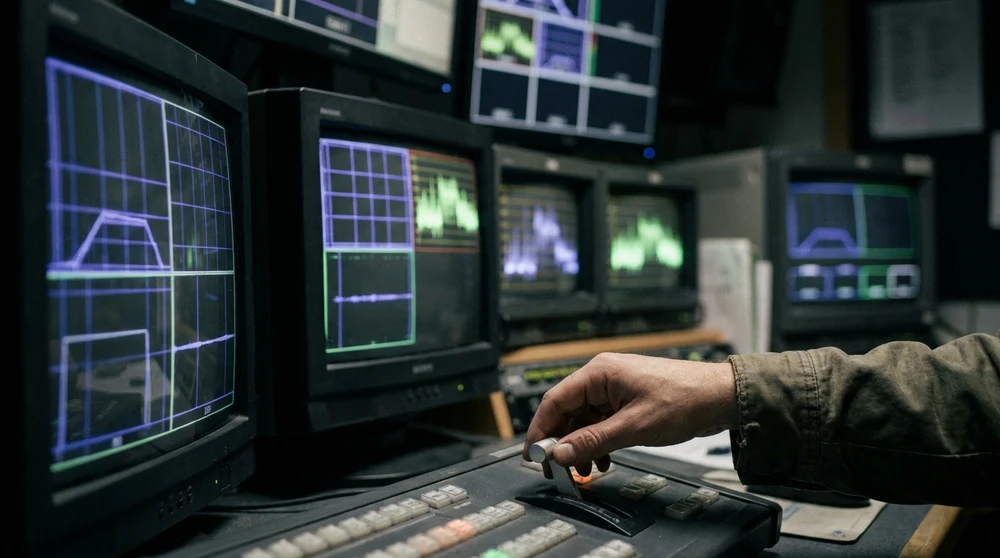
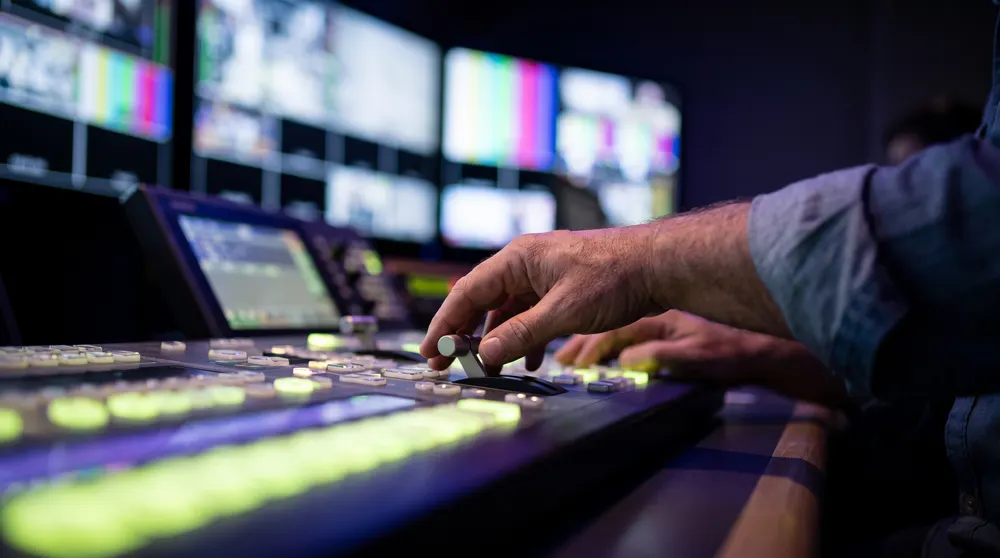
The difference starts before the event: a multi-camera plan mapped to the run-of-show, so a switch from a wide shot to a speaker close-up to a slide happens on a beat, not a scramble. Redundant encoders and a backup connection matter more than any single camera — most stream failures are connectivity failures, not creative ones.
Live graphics — lower-thirds, sponsor cues, live captions — need to be prepared and cued in advance, not improvised mid-broadcast. Simultaneous delivery to multiple platforms has to be planned for from the encoder setup, not bolted on after.
Done right, none of this is visible to the audience — which is exactly the point. A broadcast-grade stream feels effortless because the effort happened days before anyone pressed "go live."
Live Broadcasting
A phone on a table will technically 'go live.' Here's when that's not enough for your event.

Branding
Instagram's first rebrand in a decade wasn't really about the logo — it was about typography. Here's what changed, why it's being called 'Instagzam,' and why brands build custom fonts.

AI & Tech
Meta's new personal AI agent can browse, buy and negotiate on your behalf — and it's already reshaping how brands get discovered online. Here's everything it does so far.
Tell us where you want to go. We'll bring the strategy, the crew and the craft to get you there.